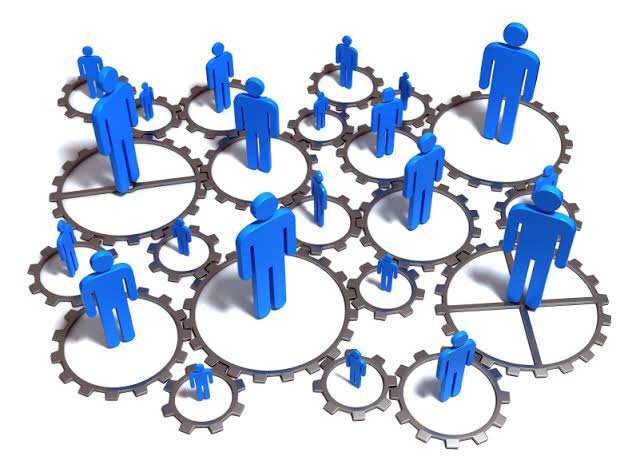
The term “community of practice” is of relatively recent coinage, even though the phenomenon it refers to is age-old. The concept has turned out to provide a useful perspective on knowing and learning. A growing number of people and organizations in various sectors are now focusing on communities of practice as a key to improving their performance. This brief and general introduction examines what communities of practice are and why researchers and practitioners in so many different contexts find them useful as an approach to knowing and learning.
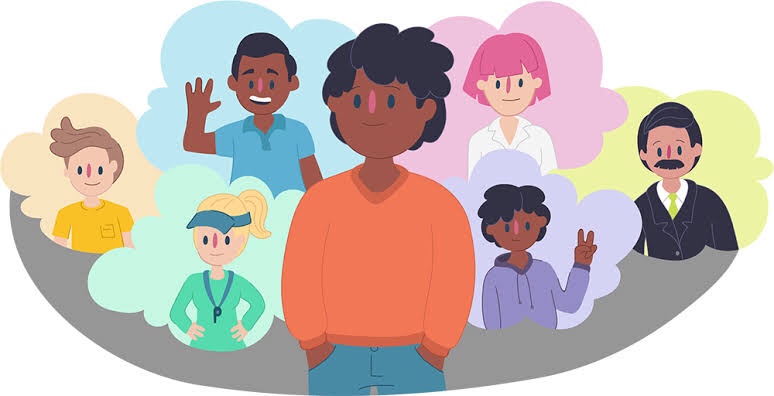
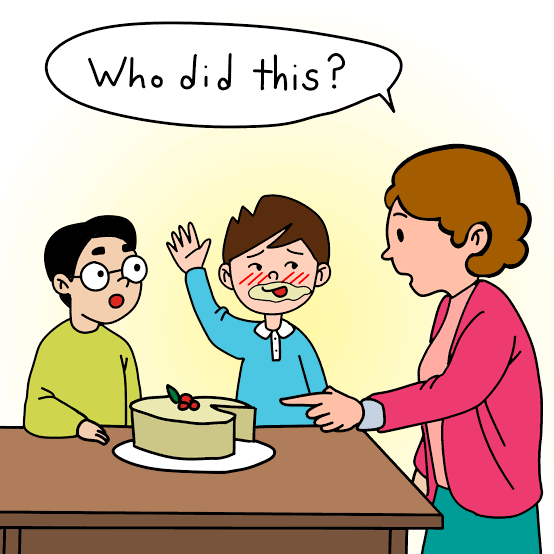
“Pagmamano” is an “honoring-gesture” used in Filipino culture performed as a sign of respect to elders and as a way of requesting a blessing from the elder. This is a common gesture of respect children or let’s say, descendants do to honor their living ancestors during holidays. “Disciplining Children” it’s important to not spank, hit, or slap a child of any age. Babies and toddlers are especially unlikely to be able to make any connection between their behavior and physical punishment. They will only feel the pain of the hit. And don’t forget that kids learn by watching adults, particularly their parents. Make sure your behavior is role-model material. You’ll make a much stronger impression by putting your own belongings away rather than just issuing orders to your child to pick. “Interaction with others” social interaction is good for your brain health. Promotes a sense of safety, belonging and security. Allows you to confide in others and let them confide in you. To interact means to communicate and react to the people you’re involved with. If someone says that you interact well with children, it means you communicate well with them and they respond to you.
Belief in God or in a set Religion is understood to influence subjective well-being through various ways: the religious community gives people a sense of belonging and provides an important source of social support; religion gives people’s lives meaning and purpose; and finally, religion encourages people to lead healthier lifestyles.of religious doctrines.
One of a good value of a local community is “Respect”. Being courteous,sensitive,and civil to other people,property and environment. Giving respect to each other can help build confidence to a person. Also respect comes to yourself first. Respecting yourself means giving and defining your own worth and value as a human being. Think about this: if you do not respect yourself, it will be more difficult for you to respect anyone else. So it all begins with self-respect.“Honesty is the best policy”. By demonstrating a commitment to the truth in our principles,intentions and actions. Honesty builds and maintains trusting relationship. And it requires courage and integrity.Honesty sharpens our perception and allows us to observe everything around us with clarity.Kindness. By being gentle,compassionate, emphatetic,friendly and caring towards ourselves and others. Being kind can build relationship and make relationship last forever. Opening your eyes means noticing when others are suffering. A kind word, a smile, opening a door, or helping carry a heavy load can all be acts of kindness.



 Site Title